Palos Verdes Landslide
A geological disaster decades in the making, a 2024 acceleration that broke roads and utilities, and a new reality: hundreds of residents forced to rethink power, gas, and survival at home.
The Long History Beneath the Neighborhood
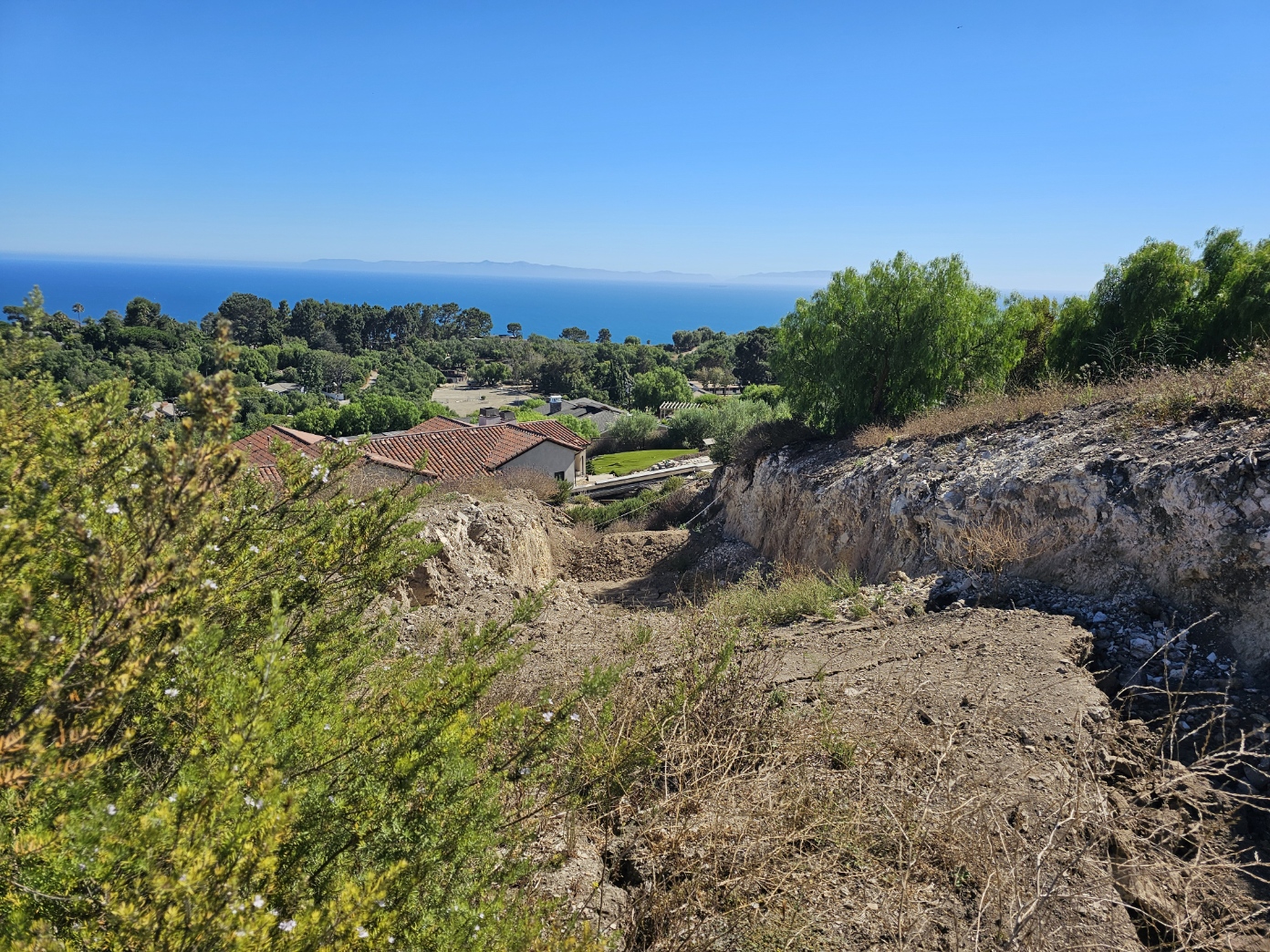
The Portuguese Bend area was never just another coastal subdivision. It sits on top of an ancient prehistoric landslide complex that had been dormant until road work in the 1950s reactivated it. Since then, the ground has never truly stopped moving.
Why the Ground Moves Here
The south side of the Palos Verdes Peninsula is made of old landslide deposits layered over weak, slick geologic material. When water infiltrates the slope, the moving mass becomes heavier and more lubricated. That is why rainfall, drainage, and groundwater are not side issues here—they are the whole game.
In 1956, the extension of Crenshaw Boulevard reactivated the slide. Homes were destroyed, roads broke, and the area entered a new chapter as one of the largest continuously active landslides in the United States.
From Slow Motion to Crisis
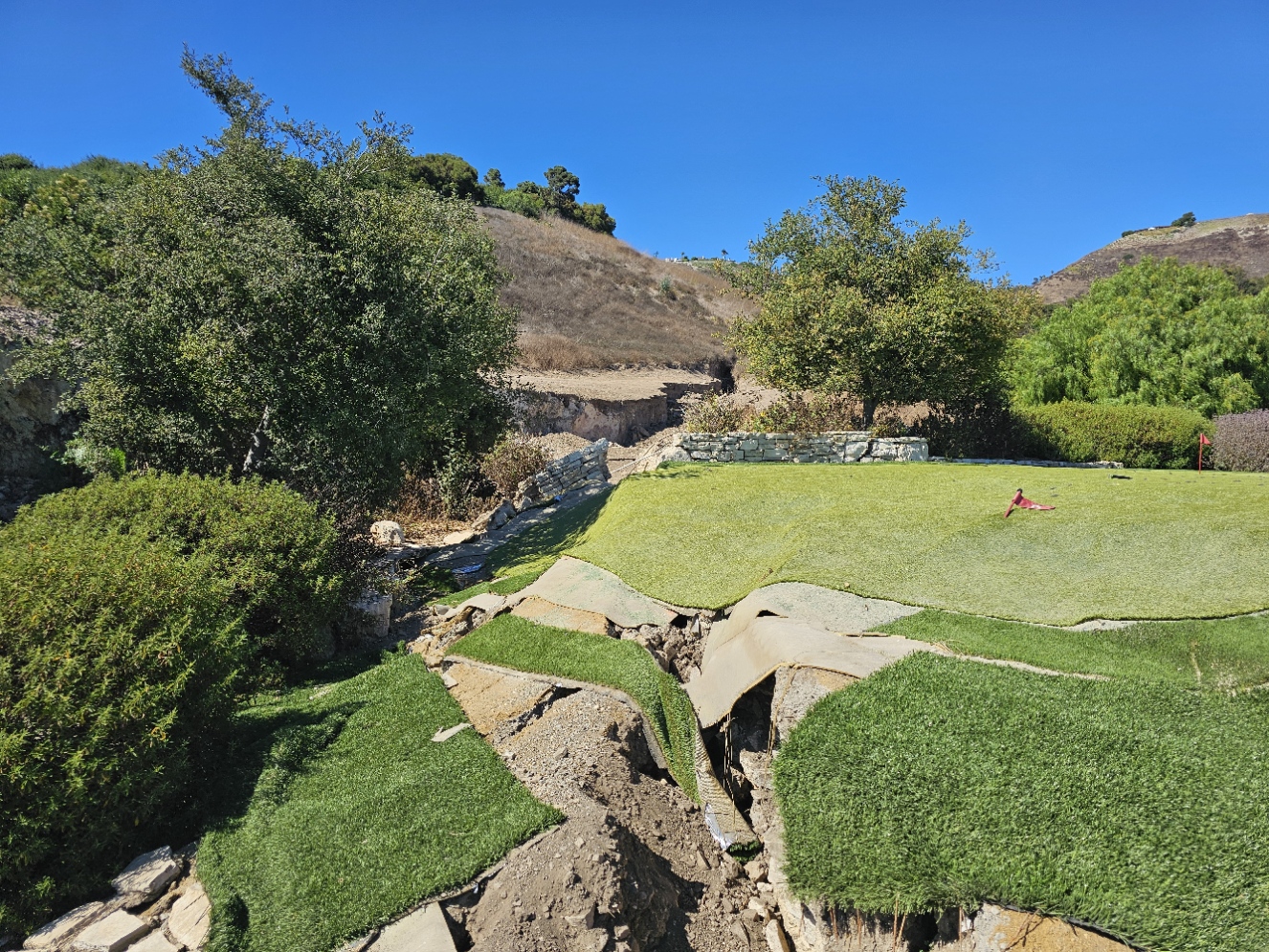
For much of the modern era, movement was often described in inches per year. Residents adapted to cracked pavement, repaired foundations, and periodic infrastructure work. Then the 2023–2024 storm cycles changed the tempo.
After repeated severe rain events, movement accelerated sharply. The problem was no longer cosmetic or merely inconvenient. It became an infrastructure emergency with direct consequences for power, gas, roads, and public safety.
The 2024 Disaster
How the Utility Collapse Happened
Southern California Edison
SCE first cut power to about 140 homes in Portuguese Bend. Shortly after, it disconnected another 105 customers in Seaview. The reason was straightforward: shifting land was pulling apart infrastructure, threatening fires, broken service lines, and unsafe energized equipment.
SoCalGas
SoCalGas made the same basic determination earlier: the gas system in the moving-ground zone could not be operated safely. The risk of broken mains or damaged service lines in an active slide made shutoff the safer choice.
For residents, losing electricity and natural gas at the same time turned a neighborhood crisis into a live experiment in energy independence.
What the Landslide Changed
The Palos Verdes landslide stopped being a “geology story” and became an infrastructure story. It revealed how dependent homes are on centralized systems—and how fast that dependency becomes a liability when the ground itself is moving.
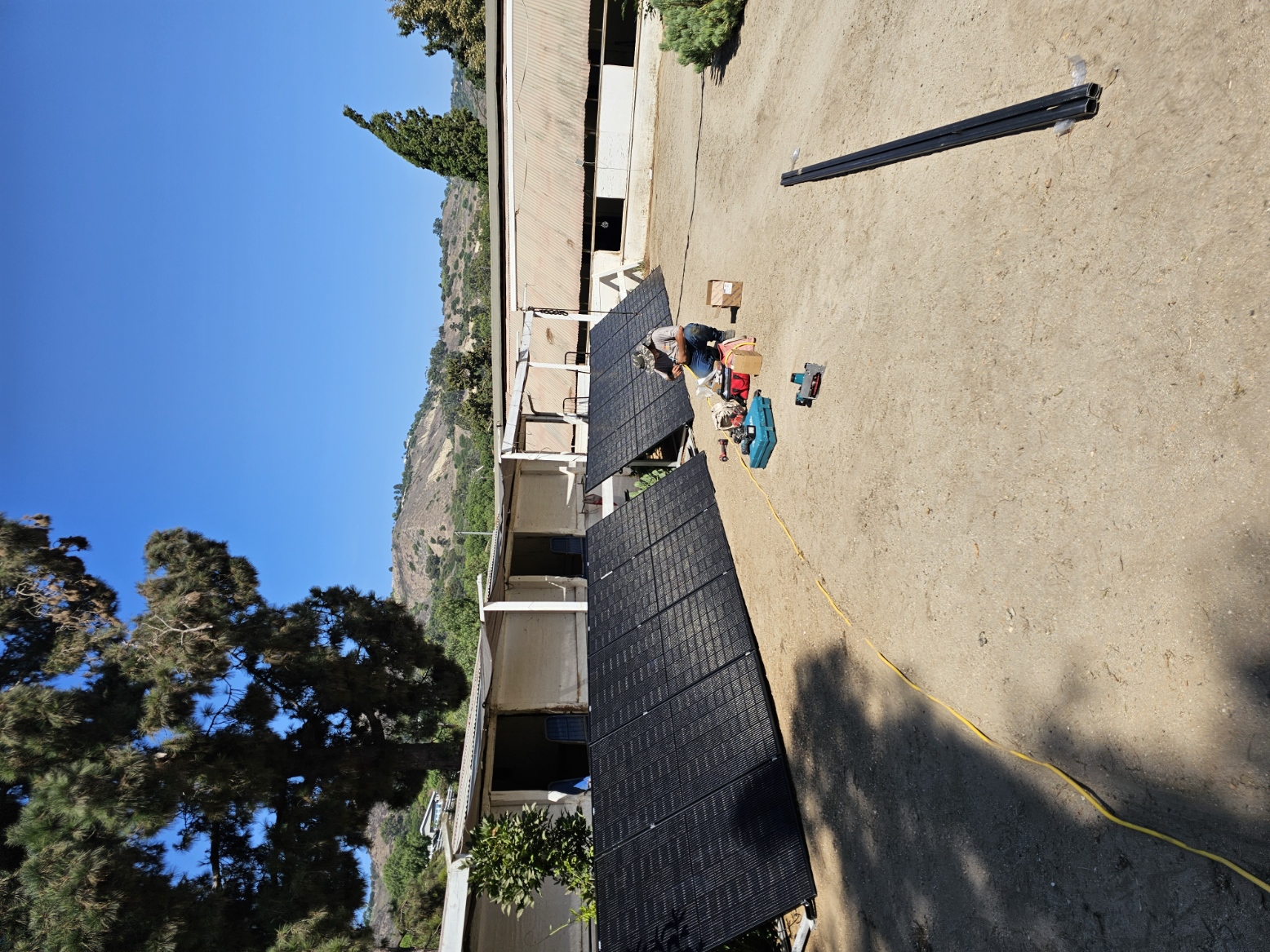
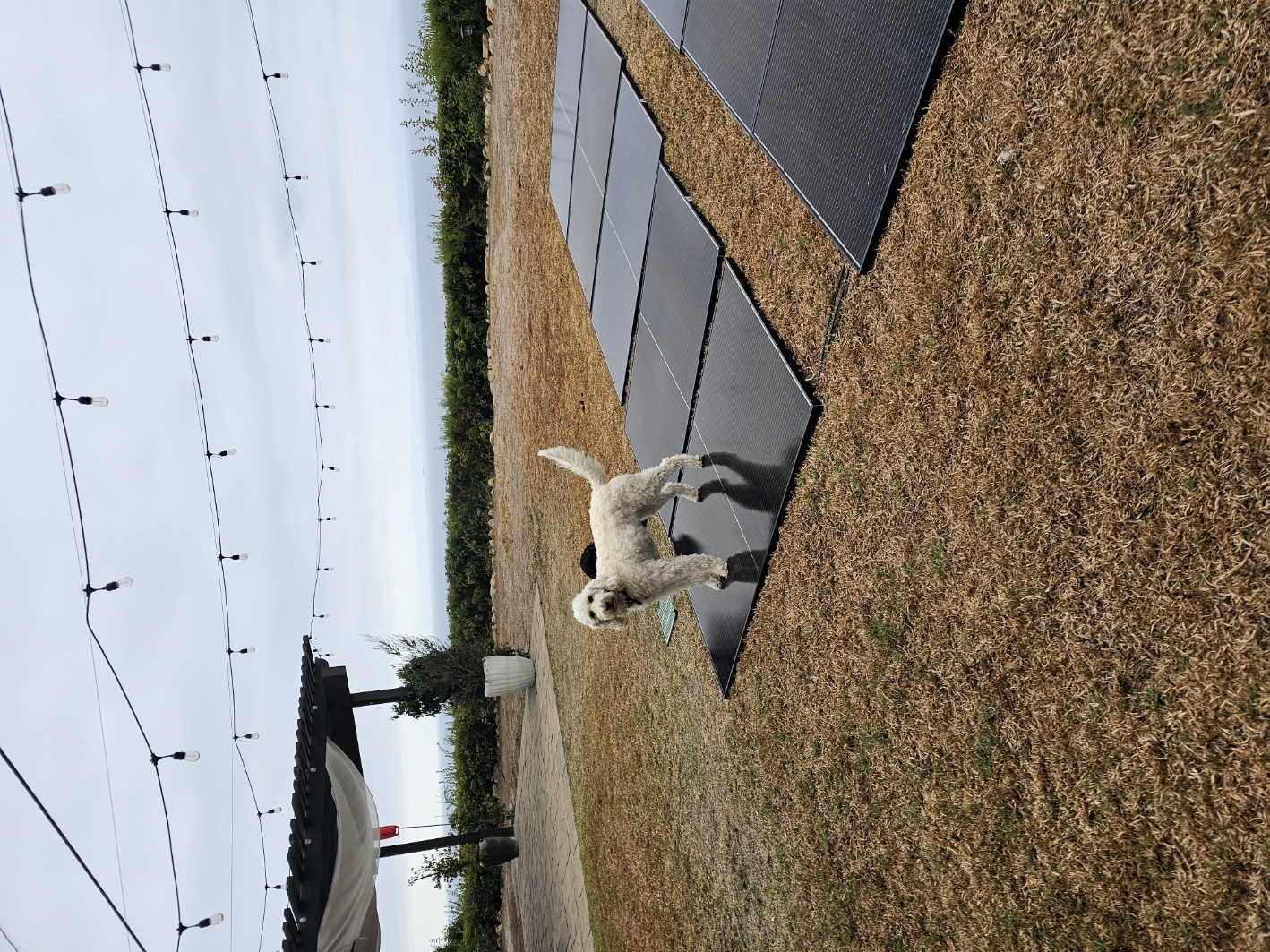
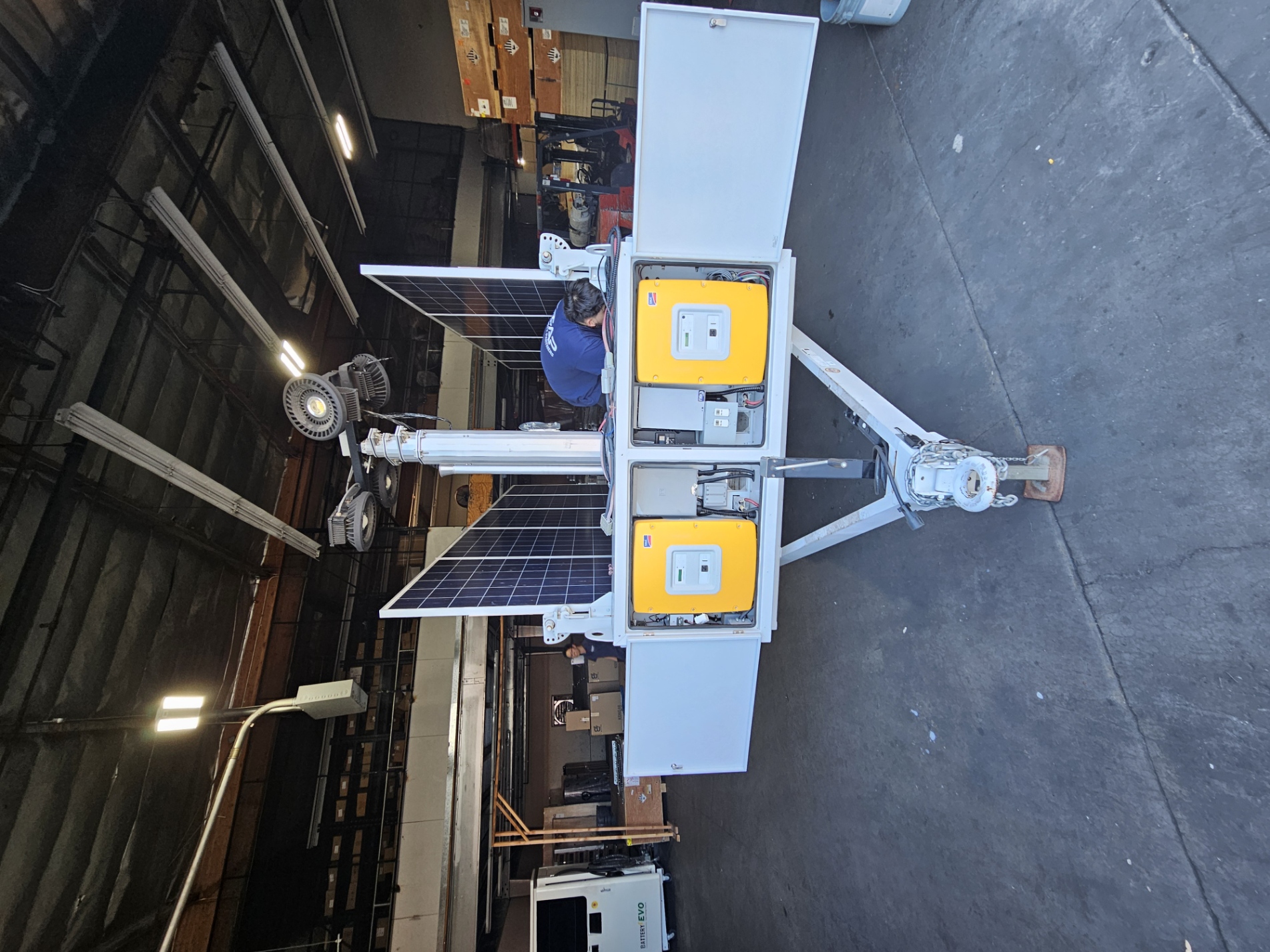
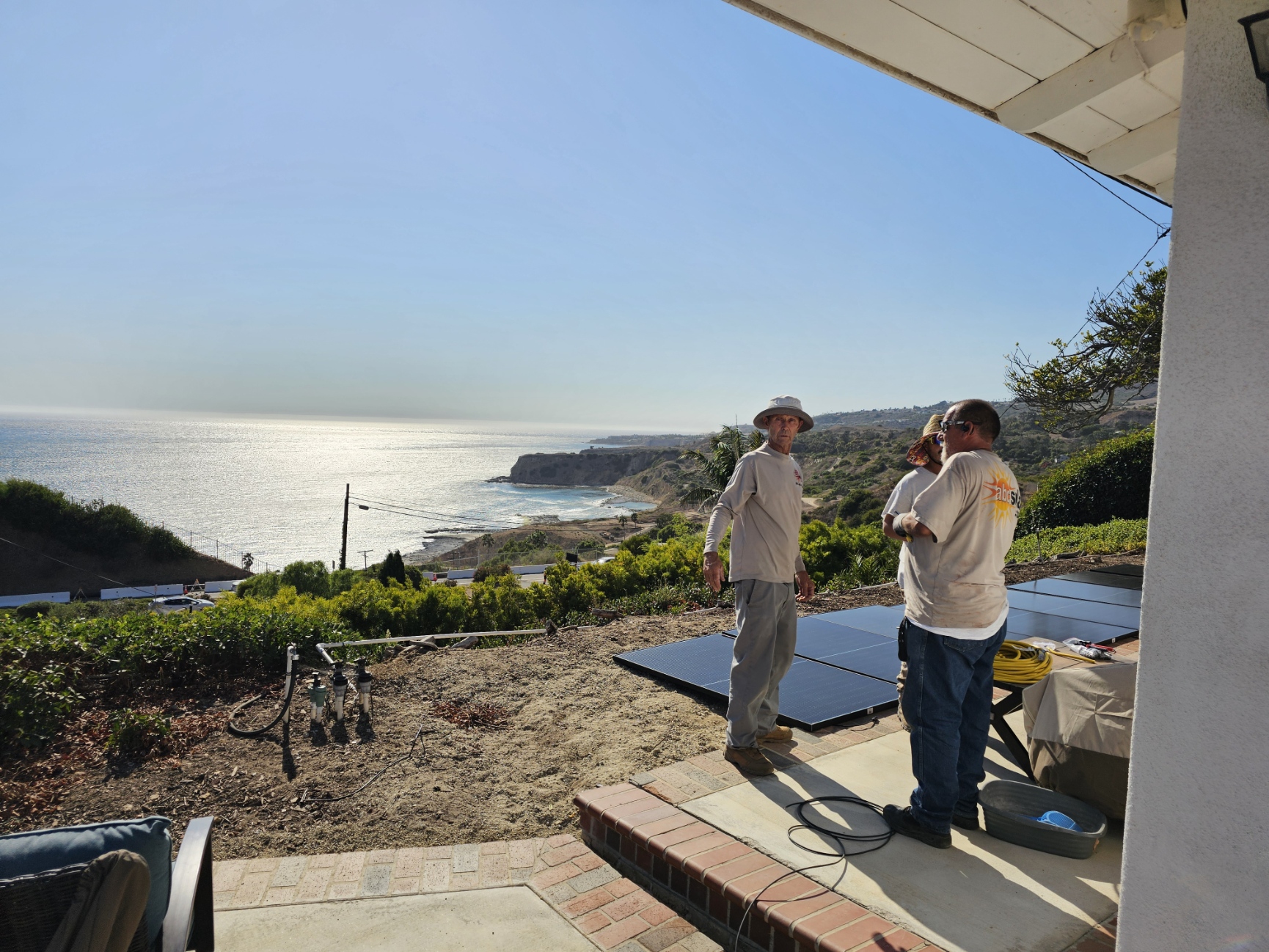
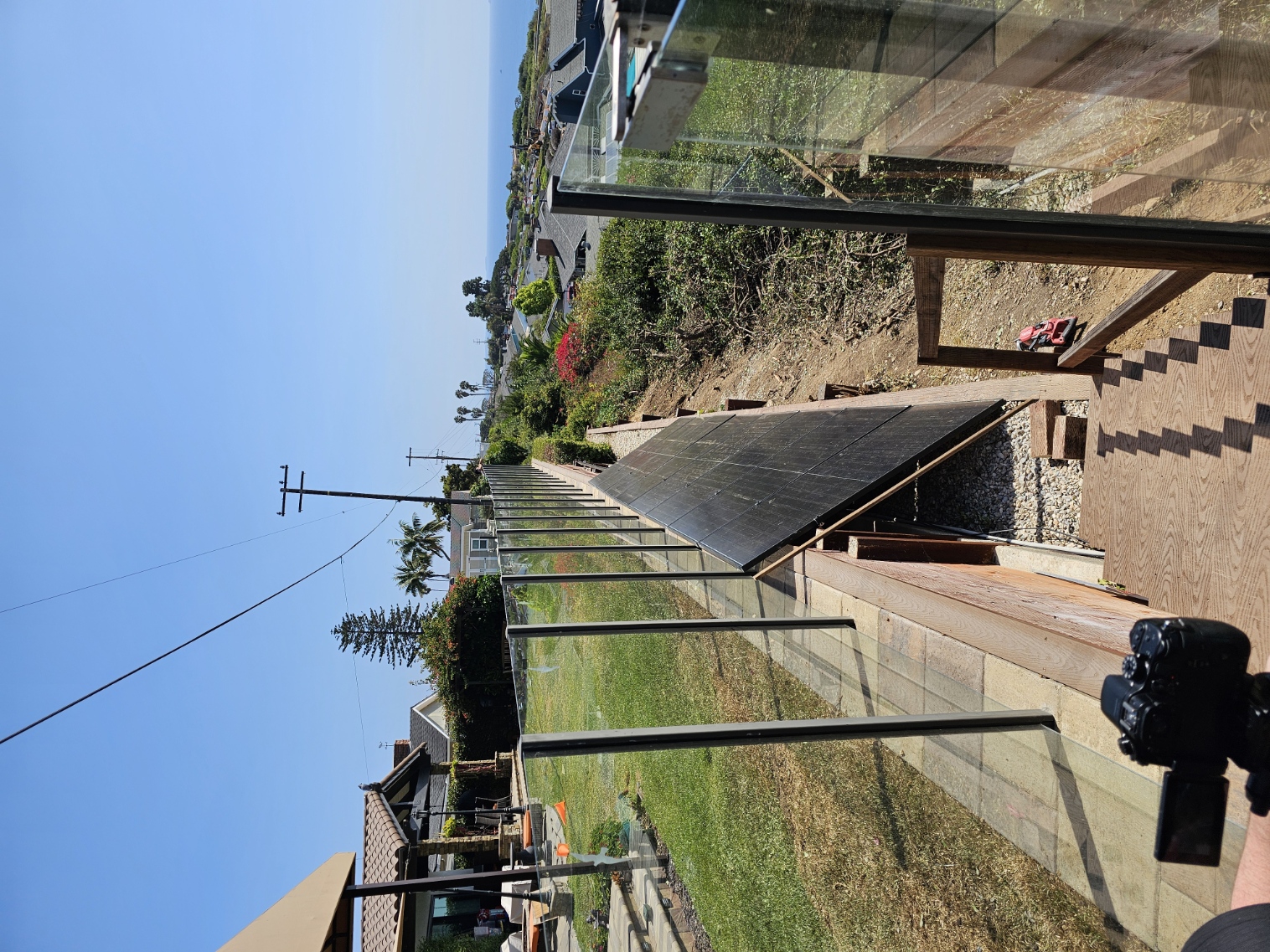
It also changed the meaning of residential solar. In a normal neighborhood, solar is often sold as bill reduction. In Portuguese Bend, it became something else entirely: a survival tool, a repowering tool, and a way to keep homes functioning after utilities walked away.
Video Reports
Photos from the Disaster Zone